A virtual power plant links lots of home batteries so a retailer or operator can draw on them when the grid needs power, usually paying you in credits or bill discounts. In SA, the battery rebate needs a VPP-capable battery, but joining is optional. Whether it's worth it depends on the payments, how much control you give up, your backup reserve and the exit terms.
- A VPP links home batteries so an operator can use them when the grid needs power.
- The federal battery rebate needs a VPP-capable battery, but joining a VPP is optional.
- Check control, payments, backup reserve, exit terms and warranty before joining.
- Make sure a VPP doesn't clash with a Solar Sharer plan or drain the battery you need at night.
- You can join later, once you know how your household uses the battery.
What a virtual power plant actually is
A virtual power plant is a network of home batteries, often thousands of them, that an energy retailer or operator can control as a group. Together they act a bit like a power station, even though every battery sits in someone's garage.
When demand on the grid spikes, like a hot summer evening, the operator can tell the batteries in the VPP to send some of their stored power into the grid at the same time. They might also charge batteries when there's plenty of cheap power around.
In return, you usually get something back. That might be bill credits, a discount, a sign-up bonus or a payment each time your battery is used. Every offer is set up differently, so there's no single answer to what a VPP is worth.
Do you have to join a VPP to get the battery rebate?
No. To qualify for the federal Cheaper Home Batteries Program, the battery has to be capable of joining a VPP. Joining one is optional.
That means you can get your battery installed with the rebate on the quote, live with it for a while, and decide later whether a VPP suits you. We set the battery up so it's ready if you choose to join.
The rebate is applied through STCs on your quote by an accredited installer. Any VPP payment is a completely separate deal between you and the retailer or operator. Our battery rebate guide explains how the rebate itself works.
Send us a recent bill and we'll size a VPP-capable battery to your overnight use, with the rebate on a free, itemised quote. Joining a VPP stays your choice.
How a VPP uses your battery day to day
Most of the time, your battery runs as normal. It stores your spare solar during the day and powers your home at night.
Every so often, the operator steps in. That's usually during peak demand events, when grid prices are high or the network is under stress. During an event your battery might export some of its charge, or hold off on discharging, depending on how the program works.
How often that happens, and how much of your battery they can use, depends on the terms. Some programs only use the battery a handful of times a year. Others are more active. This is the part to read closely.
What to check before you sign up
VPP offers can look similar on the surface and be quite different underneath. Before you join, get clear answers on these:
- Control of your battery. When can the operator use it, how often, and how much can they discharge? Can you see when events happen in your app?
- Payments. How are you paid: per event, a flat credit, a bill discount, or a mix? Is the payment tied to a particular electricity plan, and how do that plan's rates compare with others?
- Backup reserve. Will the operator leave a minimum charge in the battery for blackouts? If backup matters to you, ask for the reserve in writing.
- Exit terms. Can you leave at any time? Are there exit fees, or do you have to pay back a sign-up bonus if you leave early?
- Warranty. Ask how extra cycling affects your battery warranty. Your installer can check the warranty conditions for your battery.
- Plan lock-in. Some VPPs require you to be with a particular retailer. Check what happens to your rates if you leave the VPP later.
If any of these are vague, ask before you sign. A good offer should be easy to explain.
How a VPP fits with Solar Sharer
Since 1 July 2026, retailers in South Australia must offer at least one plan under the federal government's Solar Sharer offer. In SA that gives you free grid power from midday to 3pm every day, capped at 24 kWh a day. You need a smart meter, and it's opt-in.
With a battery, that free window can be really useful. On cloudy winter days, or if your solar is on the small side, the battery can top up from the grid for free between 12 and 3, then run the house through the evening peak. We can set that charge schedule up when we commission the battery.
The catch is that a VPP and a Solar Sharer plan might not sit together neatly. If a VPP is tied to a particular retailer's plan, check whether that plan includes the free window. Also check whether VPP events could drain the battery you've just filled for your own evening use.
Solar Sharer plans usually have higher daily supply charges and higher peak rates, so compare the total cost of each option, not just the headline offer. Our Solar Sharer guide goes into more detail.
So, is a VPP worth it?
It can be. A VPP tends to suit you if:
- You're happy for the battery to be used a bit more in exchange for credits or payments
- The plan that comes with it is competitive on total cost
- There's a clear backup reserve, if blackout protection matters to you
- You can leave without heavy penalties
It may not suit you if backup is your main reason for getting a battery, if you want full control of when the battery charges and discharges, or if the attached plan costs you more than the VPP pays.
There's no rush. Because joining is optional, you can get the battery in, see how your household uses it, and look at VPP offers once you know your own numbers.
How NG Elec helps
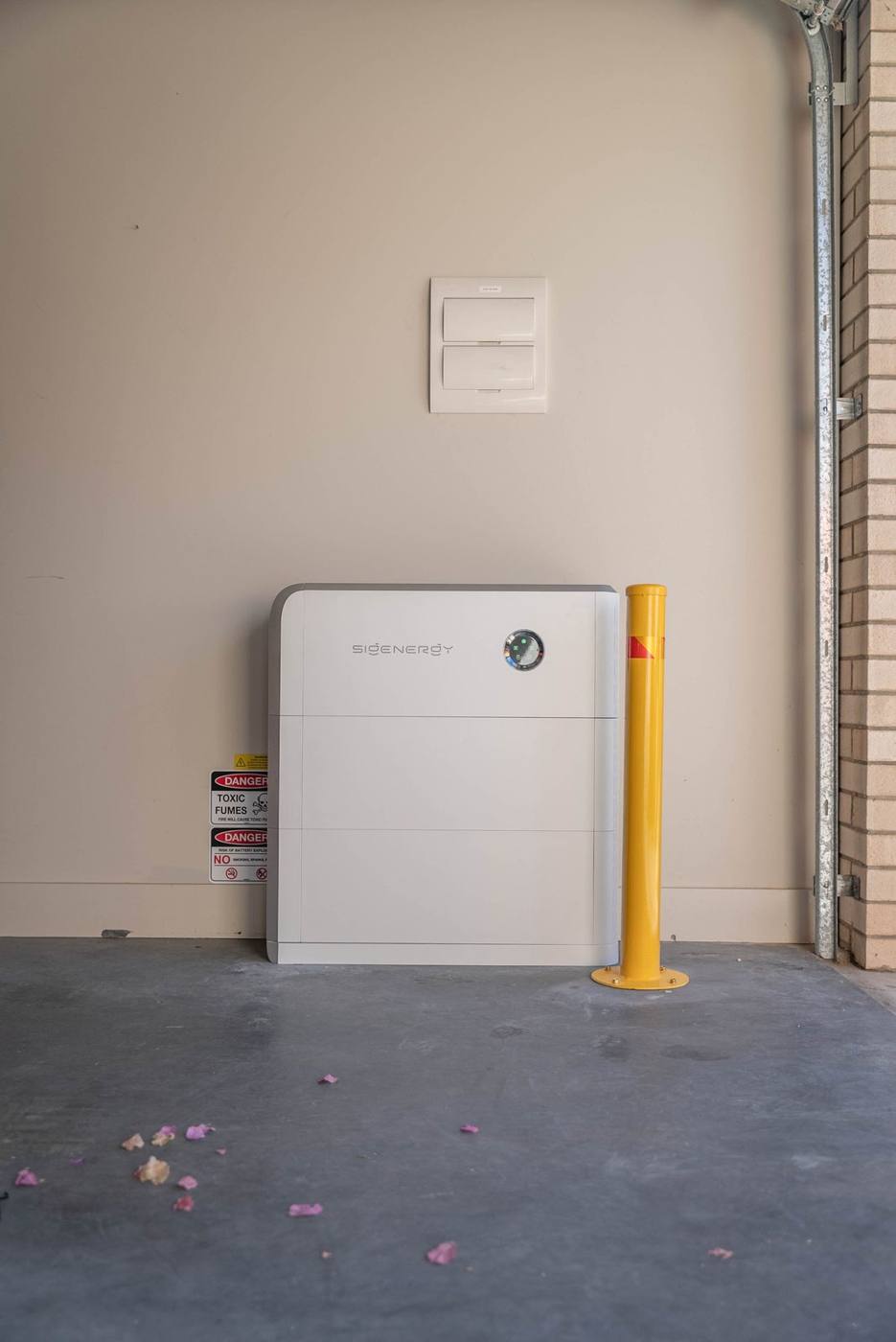
We install VPP-capable batteries from brands including Tesla Powerwall, Sigenergy, GoodWe, Sungrow and BYD, and we size them to your evening and overnight use first. Our battery sizing guide explains how.
We don't sell VPP plans and we don't push you into one. If you're weighing up an offer, we're happy to talk through how it would affect your battery's backup settings and charge schedule. Start with our solar battery page, or send us a bill for a free, itemised quote.