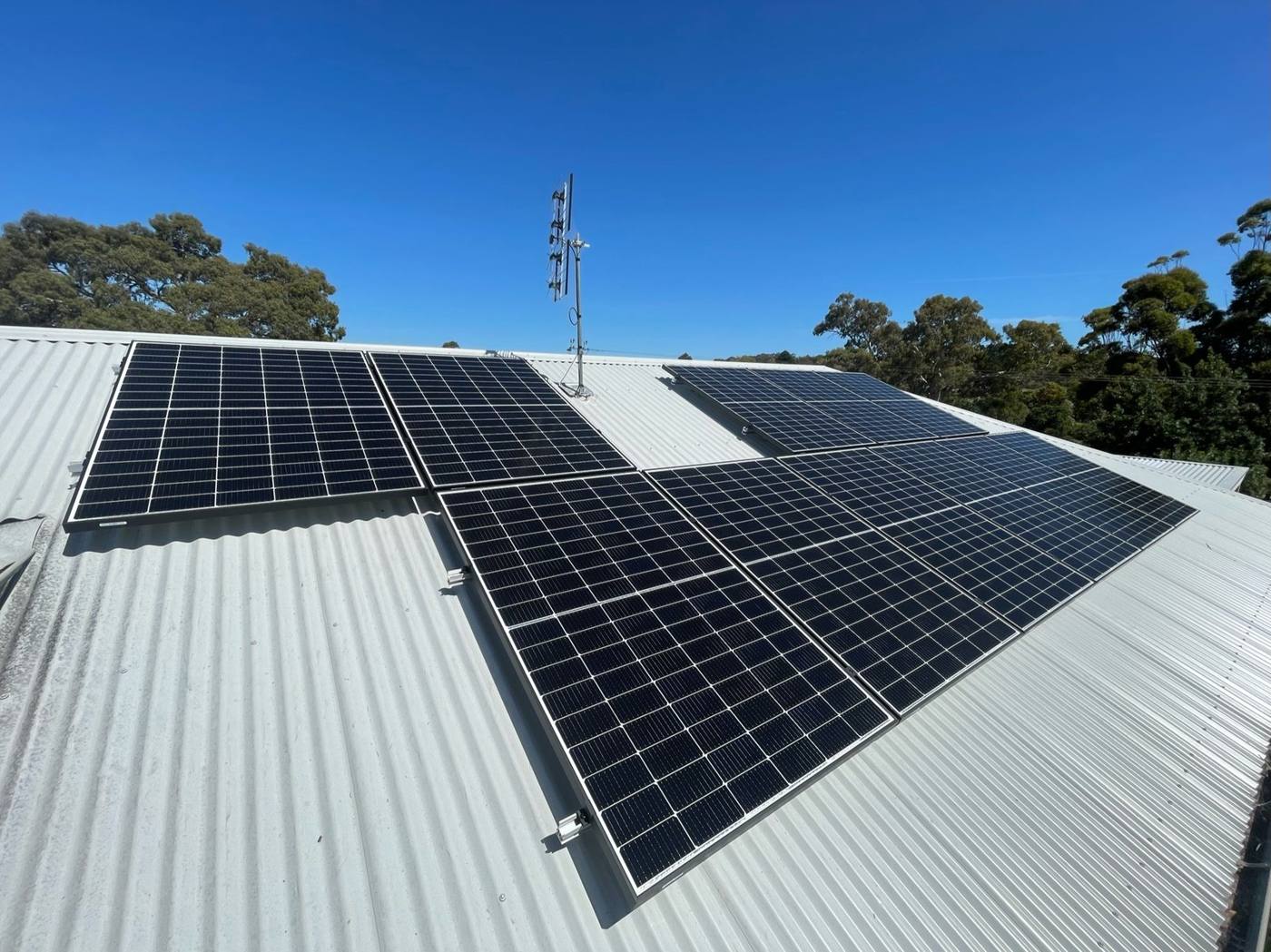
Solar panel installation in Adelaide starts from about $5,000 for a 5 to 6 kW system on typical NG Elec jobs in 2026, after the STC discount, incl GST. Bigger systems, premium panels, a battery-ready hybrid inverter, tile or two-storey roofs, optimisers for shade and switchboard work all add to it. Every quote is free and itemised.
- Typical 2026 NG Elec price: 5 to 6 kW of solar from about $5,000 after STCs, incl GST.
- System size, panels, inverter, roof and electrical work move the price most.
- The STC discount comes off the quote and shrinks a little each year.
- A hybrid inverter costs more now but saves money if a battery is likely later.
- NG Elec quotes are free and itemised, with $0 deposit options available.
What solar panel installation costs in Adelaide in 2026
On typical NG Elec jobs in 2026, solar only (5 to 6 kW) starts from about $5,000, after the STC discount, incl GST. We've done fewer solar-only jobs than solar and battery this year, so treat that as a starting point, not a fixed price. Every quote is itemised and free.
Where your price lands above that depends on five things: system size, the panels, the inverter, the roof and any electrical work. The rest of this guide goes through each one so you can read a quote properly.
Looking at a battery too? Solar and battery together starts from about $11,000 after rebates, incl GST. Battery pricing has its own moving parts, so it's covered in our solar and battery price guide.
What drives the cost of solar panels
| Cost driver | What changes the price |
|---|---|
| System size (kW) | More panels and a bigger inverter cost more in total, though the cost per kW usually drops as systems get bigger |
| Panel brand | Panels from makers like AIKO, Jinko and Trina differ in efficiency, warranty, looks and price |
| Inverter | Brand, size, single or three phase, and whether it's battery-ready (hybrid) |
| Roof | Tile vs tin, pitch, height, number of faces, and access for the crew |
| Shading | Optimisers like Tigo add cost but recover output on shaded or split roofs |
| Electrical work | Switchboard upgrades, safety switches, longer cable runs, three phase work |
| Old system | Removing and recycling an old system adds labour |
| Location | Regional jobs can involve travel; we service all of SA |
The two that surprise people most are the roof and the switchboard. A steep, two-storey tiled roof takes longer and needs more safety gear than a low tin roof. An older switchboard without room or the right protection may need work before the solar can go in. We check both on the site visit so the quote reflects the real job.
Send us a recent bill and a few roof photos. We'll call to talk it through, then send a free, itemised quote.
Panels and inverter: where the money goes
Panels are the part you see, but the inverter is the part that does the work every day. It's worth spending on both sensibly rather than going cheap on one.
Panels
Higher-efficiency panels, like AIKO's all-black range, make more power from the same roof space. That matters most on small or split roofs where you can't just add more panels. On a big, open tin roof, a solid mid-range panel often does the job for less.
Inverter
A standard string inverter is the cheapest way to run solar only. A hybrid inverter costs more upfront but lets you add a battery later without replacing anything. If a battery is likely in the next few years, the hybrid usually works out cheaper overall.
Three phase homes need a three phase inverter, and SA Power Networks generally limits single phase homes to around 10 kW of inverter, which caps how big a system is worth buying.
How the STC discount works
Most home solar systems create small-scale technology certificates (STCs) under the federal Renewable Energy Target. The number of certificates depends on the system size and where you live. Your installer claims them and takes their value straight off your price, so there's no form to fill in.
The STC discount gets a little smaller each year as the scheme winds down, so the same system attracts slightly less support the longer you wait. Every NG Elec quote shows the STC discount as its own line so you can see it.
Batteries have a separate rebate. Our solar battery rebate guide explains it, and the rebate calculator estimates your amount.
Get the size right before comparing price
The biggest cost mistake isn't paying a bit more. It's buying the wrong size. Too small and you're still paying big winter bills. Too big without a plan and you're exporting for a low feed-in credit.
In Adelaide, panels make about 5.8 kWh per kW per day in summer and about 2.4 in winter. A system sized only on a summer bill often falls short in winter. Our guide on how many solar panels you need walks through it.
If a battery, EV or heat pump is on the cards in the next few years, tell us at the quote stage. Sizing the solar and choosing a battery-ready inverter now is usually cheaper than adding to the system later.
Comparing a few quotes? Our guide to comparing solar quotes and the red flags to watch for has a checklist.
Paying for it
NG Elec offers $0 deposit options and flexible payment options, so the upfront cost doesn't have to land all at once. We'll explain the options with your quote.
Some people also stage it: solar now with a battery-ready hybrid inverter, and a battery later. That works well if you plan for it from the start.
What every NG Elec solar quote includes
- Panel and inverter brands and models, by name
- System size and expected output
- STC discount as a separate line
- Any switchboard or electrical work, itemised
- SA Power Networks approval
- Lifetime workmanship warranty