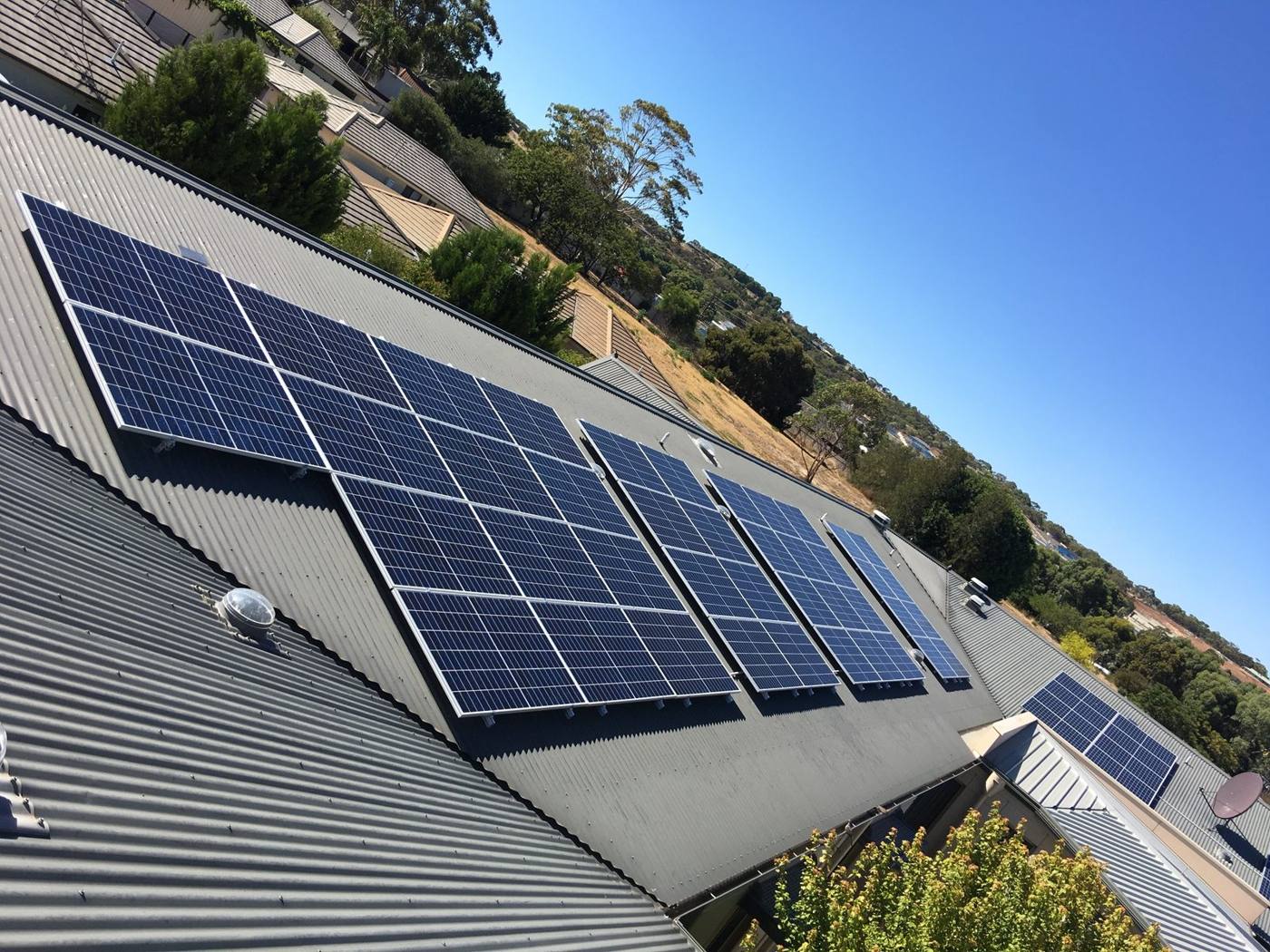
SA Power Networks (SAPN) runs the electricity network in South Australia, so it approves solar and battery connections and sets export limits. Single phase homes are usually limited to around 10 kW of inverter. SAPN also offers flexible export arrangements, where the limit can change with network conditions. Your installer applies for approval before the install, and the limit affects how you size solar and a battery.
- SA Power Networks approves every solar and battery connection in SA and sets export limits.
- Single phase homes are usually limited to around 10 kW of inverter.
- Inverter size and export limit are different things; your home uses solar first and only the extra is exported.
- SAPN offers flexible export arrangements where the limit can change with network conditions.
- Export limits make self-use and batteries more valuable, so size with them in mind.
Who SA Power Networks is and why it has a say
SA Power Networks owns and runs the poles, wires and substations that bring power to homes across South Australia. Your electricity retailer sends the bill, but SAPN looks after the network itself.
Every solar system and battery that connects to that network can push power back into it. If too many systems on one street export at once, voltage can rise and cause problems for the network and your neighbours. That's why SAPN approves connections and puts limits on how much each home can export.
So before we install solar or a battery, we apply to SAPN on your behalf. The approval sets out what you can connect and how much you can export.
The single phase limit: around 10 kW of inverter
Most Adelaide homes have single phase power. For these homes, SAPN usually allows around 10 kW of inverter at most. Homes with three phase power can generally connect more, because the load is spread across three phases.
It's the inverter size that matters most here, not just the panels. The inverter is what turns solar power into power your home and the grid can use, and it's what SAPN looks at for the connection.
Within the rules, your panel capacity can be a bit bigger than your inverter. That lets the system produce closer to its full inverter output for more of the day, especially in the mornings, afternoons and winter. We design within those rules on every quote.
Not sure what supply you have? We'll check during the quote. If you're thinking about a bigger system, our three phase upgrade guide explains when an upgrade makes sense.
Send us a recent bill and tell us what you're thinking. We'll check your supply, design within SA Power Networks' rules and send a free, itemised quote.
Inverter size and export limits are not the same thing
People often mix these up, so it's worth spelling out:
- Inverter size is how much power your system can produce and convert at once.
- Export limit is how much of that power you're allowed to send into the grid at any moment.
Your home uses solar power first. Only the extra is exported. If your system produces more than you're using and more than your export limit, the inverter holds back the excess. That's called curtailment or export limiting.
A fixed export limit means some sunny-day production can go unused. That's one of the reasons a battery or a Solar Sharer plan can help: the battery stores power that would otherwise be held back.
Flexible exports
SA Power Networks also offers flexible export arrangements. Instead of a single fixed limit all the time, the export limit can change through the day depending on how much room there is on the local network.
When the network has capacity, your system may be able to export more than a fixed limit would allow. When the network is busy, usually in the middle of sunny days with lots of solar exporting, the limit can come down.
To work this way, the inverter needs to be compatible and connected to the internet so it can receive updated limits. Whether flexible exports are available, and what they mean for your system, depends on your connection and the equipment. We'll check what applies to your home and explain the options on your quote rather than assume.
What approval involves
You don't have to deal with SAPN yourself. As part of the job we handle the paperwork. In general, it looks like this:
- Design. We work out panel, inverter and battery sizes that suit your home and fit within the connection rules.
- Application. We apply to SAPN with the system details before the install.
- Approval. SAPN confirms what you can connect and the export arrangement that applies.
- Install and commissioning. We install the system and set the inverter to match the approved export settings.
- Meter and retailer. Your meter may need to be changed or reconfigured, and your retailer updates your plan for solar exports.
If the network in your area is constrained, the approval may come back with a lower export limit than you'd hope. We'll let you know what we get back and what it means for your system.
Why it matters for sizing and batteries
Export limits change how you should think about system size. Under a tight limit, adding more panels doesn't always mean more money from feed-in. Using more of your own solar becomes the bigger win.
That's where a battery comes in. It stores midday solar that you'd otherwise export or have held back, then runs your home in the evening. Adelaide solar makes about 5.8 kWh per kW per day in summer and about 2.4 in winter, so a battery also helps you stretch summer production further.
A battery doesn't usually let you get around the export rules, though. Battery and inverter setups still have to fit within what SAPN approves, and we'll check how a battery affects your approval before quoting. Our guide on adding a battery to existing solar covers that side.
Solar Sharer and export limits
Since 1 July 2026, SA retailers must offer at least one Solar Sharer plan with free grid power from midday to 3pm, capped at 24 kWh a day. That window lines up with the time exports are most likely to be held back. On those plans, it often makes sense to soak up your own solar and the free grid power in the battery instead of exporting. Those plans usually have higher supply and peak charges, so compare the total cost. See our Solar Sharer guide.